Tel: +86-13587713206 / +86-577-61389776丨E-mail: nancy4046@hotmail.com
- All
- Product Name
- Product Keyword
- Product Model
- Product Summary
- Product Description
- Multi Field Search

Views: 0 Author: Site Editor Publish Time: 2025-10-24 Origin: Site


Imagine a world where cable installations are safer and more efficient. Cold shrink cable accessories achieve just that. These innovative tools are revolutionizing how we insulate and protect cables, especially in electrical and telecommunication industries. In this article, you'll learn about their benefits, types, and installation methods. We'll also explore their applications and factors to consider when choosing them.
Cold shrink cable accessories are specialized products used to insulate, seal, and protect electrical and telecommunication cables. They consist mainly of pre-stretched elastomeric materials, such as silicone rubber or other flexible polymers. These materials provide excellent electrical insulation, weather resistance, and mechanical protection. The accessories come pre-expanded over a removable core, allowing them to fit easily over cables or joints before shrinking back to form a tight seal.
Cold shrink technology relies on the elastic recovery property of the elastomeric material. The accessory is factory-expanded and held on a removable support core. During installation, this core is pulled out, letting the accessory contract naturally around the cable or joint at ambient temperature. This process creates a strong, uniform seal without using heat or special tools.
The tight fit achieved by cold shrink accessories prevents moisture ingress, dust, and other contaminants from damaging the cable. It also offers excellent strain relief and mechanical protection, extending cable life and improving system reliability.
Unlike cold shrink accessories, heat shrink types require a heat source, such as a torch or oven, to activate their shrinking process. When heated, heat shrink tubing contracts and molds tightly around the cable. While effective, this method involves risks like uneven heating, potential damage to cable insulation, and safety hazards from open flames or hot air.
Cold shrink accessories eliminate these risks by shrinking at room temperature, making installation faster and safer, especially in confined or hazardous environments. Additionally, cold shrink products provide more consistent sealing since they rely on the material’s elastic memory rather than heat application, which can be uneven.
| Feature | Cold Shrink Accessories | Heat Shrink Accessories |
|---|---|---|
| Installation Method | Remove core, elastic recovery | Apply heat to shrink tubing |
| Safety | No heat, safer in hazardous areas | Requires heat, risk of burns/fire |
| Installation Speed | Faster, no heating time | Slower due to heating requirements |
| Risk of Damage | Low, no heat involved | Higher, possible overheating |
| Environmental Impact | No heat source needed | Energy consumption for heating |
Cold shrink cable accessories are ideal for quick, safe, and reliable cable sealing and insulation, especially where heat application is impractical or risky.
Note: Cold shrink accessories eliminate the need for heat sources, making them safer and faster to install in confined or hazardous environments.
Cold shrink cable accessories are incredibly easy to install. Since they come pre-expanded on a removable core, you simply slide them over the prepared cable or joint and then pull out the core. The accessory naturally contracts and forms a tight seal without needing heat or special tools. This simplicity reduces installation time significantly and requires less technical skill. Installers don’t have to worry about carrying heat sources or managing flame safety, which is a big advantage, especially in confined or hazardous spaces.
One of the biggest benefits of cold shrink accessories is safety. Because they shrink at room temperature, there’s no need for torches, heat guns, or ovens. This eliminates fire hazards, burns, and the risk of damaging cable insulation with uneven heating. The absence of heat use also reduces the chance of accidents in environments containing flammable gases or materials. Cold shrink accessories provide a safer working environment for technicians and lower the risk of installation errors that could lead to cable failure.
Cold shrink accessories are made from high-quality elastomeric materials like silicone rubber, which resist weather, UV rays, chemicals, and moisture. Once installed, they create a uniform, tight seal that protects cables from environmental factors that cause deterioration. This protection extends cable life and reduces maintenance needs. Their elasticity also offers excellent strain relief, helping cables withstand mechanical stresses and vibrations. As a result, cold shrink accessories provide long-term reliability and reduce the risk of outages caused by insulation breakdown or water ingress.
Cold shrink cable accessories come in several types, each designed for specific purposes in cable insulation, sealing, and protection. Understanding these types helps select the right accessory for your project, ensuring optimal performance and durability.
Cold shrink tubing is a flexible, pre-expanded elastomeric tube that fits over cables or cable joints. It shrinks naturally when the supporting core is removed, tightly wrapping around the cable to provide excellent insulation and environmental protection.
Use: Ideal for sealing and insulating cable ends, joints, and splices.
Material: Usually silicone rubber or similar elastomers offering high resistance to UV, moisture, and chemicals.
Advantages: Easy installation without heat, uniform sealing, and excellent strain relief.
Cold shrink terminations are accessories designed to terminate cable ends safely and effectively. They provide mechanical support and electrical insulation to prevent damage and maintain system reliability.
Use: Applied at cable ends where they connect to devices like transformers, switchgear, or connectors.
Design: Typically includes stress control components integrated into the elastomeric body to manage electrical stress.
Benefits: Quick installation, no heat required, and superior protection against environmental factors.
Cold shrink splices are used to join two or more cables together securely. They provide electrical continuity while protecting the joint from moisture, dust, and mechanical stress.
Use: Suitable for repairing damaged cables or extending cable lengths.
Construction: Pre-expanded sleeves that shrink over the cable joint when the core is removed, often combined with insulating and sealing materials inside.
Advantages: Reliable sealing, fast installation, and reduced risk of joint failure.
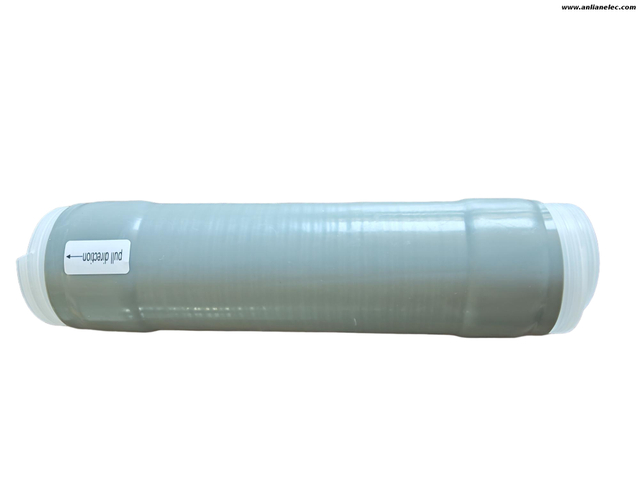
Before starting the installation, gather all necessary materials and tools to ensure a smooth process. You will need:
The correct cold shrink accessory sized for your cable
Cable cleaning materials such as alcohol wipes or lint-free cloths
Cable preparation tools like cable cutters, strippers, and knives
Gloves for hand protection
A flat, clean workspace to lay out the cable and accessories
Proper cable preparation is crucial. Make sure the cable end or joint is clean, dry, and free from dirt, grease, or moisture. Remove any old insulation or damaged sections carefully without nicking the conductor or cable sheath.
Inspect the Cold Shrink Accessory: Check for any damage or defects. Confirm it matches the cable size and application.
Slide the Accessory onto the Cable: Carefully remove the outer packaging. Slide the cold shrink accessory over the cable or joint, ensuring it covers the entire area to be sealed or insulated.
Position the Accessory: Align the accessory so it covers all exposed parts needing protection, such as the conductor, insulation, or joint.
Remove the Support Core: Slowly and steadily pull out the removable core from inside the accessory. As you do this, the elastomeric material will contract and tightly wrap around the cable.
Check the Seal: After the core is fully removed, inspect the accessory to make sure it has shrunk evenly and formed a tight, uniform seal without gaps or wrinkles.
Secure the Ends (if necessary): Some installations may require additional sealing or mechanical securing at the accessory ends. Use tape, clamps, or other recommended materials as per manufacturer instructions.
Skipping Cable Preparation: Failing to clean or properly prepare the cable can cause poor adhesion or sealing, leading to moisture ingress or insulation failure.
Using Incorrect Size: Choosing an accessory too large or too small will prevent proper shrinking and sealing.
Removing the Core Too Quickly: Pulling the core out too fast may cause uneven shrinking or damage to the accessory.
Not Inspecting the Finished Installation: Overlooking final checks can leave defects unnoticed, risking future cable failures.
Applying Heat or Tools: Cold shrink accessories do not require heat or special tools; using them can damage the product.
Following these steps carefully ensures a reliable, durable installation that protects cables effectively.
Cold shrink cable accessories serve critical roles across various industries by protecting and insulating cables efficiently. Their versatility and reliability make them ideal for several key applications.
In telecommunications, cold shrink accessories protect fiber optic and copper cables from moisture, dust, and mechanical damage. They are used in outdoor and indoor environments to seal cable joints and terminations, ensuring signal integrity and preventing corrosion. The ease of installation without heat makes them perfect for field work in confined spaces or sensitive locations like data centers and network hubs. These accessories help maintain uninterrupted communication networks by safeguarding cables against environmental stresses.
Cold shrink accessories are widely used in power distribution systems to insulate and seal medium and high voltage cables. They provide reliable protection for cable terminations, joints, and splices in substations, overhead lines, and underground installations. Their weather resistance and mechanical strength help prevent electrical faults caused by moisture ingress or physical damage. By offering quick, safe installation without heat, they reduce downtime during maintenance or emergency repairs, enhancing grid reliability.
Industries such as oil and gas, manufacturing, and mining rely on cold shrink cable accessories to protect cables in harsh environments. These accessories resist chemicals, UV exposure, and extreme temperatures, ensuring long-lasting cable performance. They are used to seal power and control cables on machinery, instrumentation, and automation systems. Cold shrink accessories help prevent costly downtime and equipment failure by providing robust insulation and environmental sealing in challenging industrial settings.
Choosing the right cold shrink cable accessories is crucial for ensuring reliable cable protection and insulation. Several key factors influence the selection process, helping you match the accessory to your specific application needs.
The environment where the cable accessory will be installed plays a big role in product choice. Consider:
Temperature extremes: Accessories must withstand the highest and lowest temperatures expected. Some elastomeric materials perform better in cold or hot climates.
Moisture and water exposure: For outdoor or underground installations, choose accessories with excellent waterproofing to prevent moisture ingress.
UV radiation: Prolonged sunlight exposure can degrade some materials. UV-resistant accessories last longer outdoors.
Chemical exposure: Industrial or oil and gas environments may expose cables to chemicals. Select cold shrink accessories resistant to oils, acids, or solvents.
Mechanical stresses: Areas with vibration or physical impact require durable, abrasion-resistant products.
Matching accessories to environmental demands ensures long-lasting protection and reduces maintenance needs.
Different cables and connectors require specific cold shrink designs and sizes. Important considerations include:
Cable diameter and construction: Accessories must fit snugly over the cable without being too tight or loose. Measure cable diameter accurately.
Insulation type: Materials like XLPE, EPR, or PILC cables may have different compatibility requirements.
Voltage rating: Accessories must meet or exceed the cable's voltage rating to ensure electrical safety.
Shielding and armoring: Cables with metallic shields or armor may need accessories designed to accommodate or connect these features.
Connector shape and size: Terminations and splices should match the connector geometry for proper sealing and mechanical support.
Using the correct accessory type and size prevents installation issues and ensures electrical and mechanical integrity.
Project-specific requirements also guide accessory selection:
Standards compliance: Check if accessories meet relevant industry standards such as IEC or IEEE for quality assurance.
Installation conditions: Confined spaces or hazardous environments may favor cold shrink over heat shrink for safety and ease.
Longevity expectations: Some projects demand longer service life, influencing material choice.
Budget constraints: While cold shrink accessories may have higher upfront costs, their durability often reduces total lifecycle expenses.
Supplier support: Availability of technical support, installation guidance, and warranty can be decisive factors.
Aligning accessory choice with project goals and constraints helps optimize performance and cost-effectiveness.
Regular inspection is essential to ensure cold shrink cable accessories continue to protect cables effectively. Check for signs of wear such as cracks, tears, or deformation in the elastomeric material. Look for any discoloration or brittleness, which may indicate aging or UV damage. Inspect seals for gaps or looseness that could allow moisture or contaminants inside. Replace any accessory showing damage or loss of elasticity immediately to prevent cable failure. Scheduled inspections, especially after harsh weather or mechanical impacts, help catch issues early and maintain system reliability.
Cold shrink accessories face various environmental stresses that can affect their lifespan. Exposure to UV radiation from sunlight can degrade some elastomeric materials, causing hardening or cracking over time. Chemicals, oils, or solvents in industrial environments may also deteriorate the accessory's surface or bonding. Extreme temperatures—both hot and cold—can influence the material’s elasticity and sealing ability. Moisture and water exposure, especially in underground or outdoor installations, increase the risk of corrosion if seals fail. Understanding the specific environment helps in selecting accessories with appropriate resistance and planning maintenance schedules.
Choose the right material: Use accessories made from UV-resistant and chemical-resistant elastomers for harsh environments.
Proper installation: Ensure the accessory is correctly installed without stretching or damage during the process.
Protect from physical damage: Avoid sharp impacts or abrasion near the accessory during cable handling or operation.
Store properly: Keep unused accessories in a cool, dry place away from direct sunlight and chemicals.
Use protective coatings or covers: In extreme environments, applying an additional protective layer or housing can shield the accessory.
Document maintenance: Keep records of inspections and replacements to track accessory condition over time.
By following these care practices, cold shrink accessories maintain their sealing and insulating properties longer, reducing downtime and repair costs.
Cold shrink cable accessories, crafted from elastomeric materials, offer superior insulation and protection for cables. They are easy to install and safer than heat shrink alternatives, making them ideal for use in telecommunications, power distribution, and industrial settings. As technology advances, these accessories will continue to evolve, providing even more reliable solutions. Anlian Electric offers high-quality cold shrink products that deliver exceptional performance and value, ensuring durable cable protection across various applications.
A: Cold shrink cable accessories are specialized products made from elastomeric materials, used to insulate, seal, and protect electrical and telecommunication cables without the need for heat.
A: They work by using the elastic recovery property of pre-stretched materials. The removable core is pulled out during installation, allowing the accessory to contract naturally around the cable for a tight seal.
A: Cold shrink accessories are safer and faster to install since they don't require heat, reducing risks like burns and uneven sealing, especially in confined or hazardous environments.
A: Benefits include ease of installation, enhanced safety, durability, and reliable protection against environmental factors like moisture, UV rays, and mechanical stress.
A: Costs vary based on size, type, and material. While generally more expensive upfront than heat shrink, their durability can lead to lower long-term expenses.
A: Regularly inspect for wear such as cracks or gaps in seals, and replace any damaged accessories promptly to prevent cable failure and maintain system integrity.


