Tel: +86-13587713206 / +86-577-61389776丨E-mail: nancy4046@hotmail.com
- All
- Product Name
- Product Keyword
- Product Model
- Product Summary
- Product Description
- Multi Field Search

Views: 0 Author: Site Editor Publish Time: 2025-10-21 Origin: Site


Have you ever wondered how electrical cables stay protected and insulated in harsh environments? Heat shrinkable cable accessories play a crucial role in ensuring cable safety and performance. In this article, you'll learn about these specialized components and their importance in electrical installations.
Heat shrinkable cable accessories are specialized components designed to protect and insulate electrical cables. They consist of polymer-based materials that shrink tightly around cables when heated. This shrinking action creates a secure, protective layer that enhances cable performance and safety.
At their core, heat shrinkable cable accessories are tubes or molded parts made from thermoplastic polymers like polyolefin or polyethylene. These materials expand during manufacturing and return to their original size when heated. This unique property allows the accessories to fit snugly over cables, joints, or terminations, providing insulation, mechanical strength, and environmental sealing.
The shrinking process ensures a tight, uniform fit around the cable, eliminating gaps where moisture, dust, or contaminants could enter. This tight seal also prevents electrical faults by maintaining proper insulation between conductors and external elements.
Heat shrinkable cable accessories come in various forms, each tailored for specific cable protection needs:
Heat Shrink Tubing: Flexible tubes used to cover and insulate individual wires or cable bundles. Available in different diameters and shrink ratios (commonly 2:1 or 3:1), they provide basic insulation and protection.
Heat Shrink Cable Joints: These are multi-layered assemblies designed to join two cable ends securely. They include insulation layers, stress control tubes, and sealing mastic to ensure electrical integrity and environmental resistance.
Heat Shrink Terminations: Used to terminate cables safely, these accessories provide insulation and protect the cable end from mechanical damage and moisture ingress.
Adhesive-Lined Heat Shrink Tubing: These tubes have an inner adhesive layer that melts during heating, creating a watertight seal and enhancing adhesion to the cable surface.
Specialized Heat Shrink Accessories: Include boots, end caps, and connectors designed for unique applications, such as high-voltage cables or harsh environmental conditions.
Each type varies by material composition, shrink ratio, wall thickness, and additional features like flame retardancy or chemical resistance. This variety allows users to select accessories best suited to their cable type, voltage rating, and environmental conditions.
Note: When selecting heat shrinkable cable accessories, consider the shrink ratio carefully to ensure a tight fit without over-stressing the cable insulation.
Heat shrinkable cable accessories rely on smart materials and a simple yet effective process to protect cables. Understanding their material composition and shrink mechanism helps explain why they offer such reliable insulation and sealing.
These accessories are mainly made from cross-linked polymers, such as polyolefin or polyethylene. Cross-linking means the polymer chains are chemically bonded, which boosts durability, heat resistance, and electrical insulation. This structure allows the material to expand during manufacturing and then shrink back when heated.
Key properties include:
Heat Resistance: Can withstand temperatures from about -55°C to 125°C or higher, depending on the polymer type.
Electrical Insulation: High dielectric strength to prevent electrical faults.
Chemical and Moisture Resistance: Protect cables from corrosive environments.
Mechanical Strength: Resists abrasion, impact, and vibration.
Some heat shrink accessories have an inner adhesive lining. This adhesive melts during heating, creating a waterproof seal and bonding the accessory firmly to the cable surface. This feature is especially useful for outdoor or underground installations.
The magic happens when heat is applied. Here's how it works step-by-step:
Expanded Form: The accessory starts oversized, stretched during manufacturing.
Positioning: It slides over the cable, joint, or termination.
Heating: Using a heat gun, torch, or oven, the accessory warms up.
Shrinking: The cross-linked polymer contracts to its original size, tightly wrapping around the cable.
Sealing: If adhesive-lined, the inner layer melts and bonds, sealing out moisture and contaminants.
This shrink action ensures a uniform, tight fit that conforms perfectly to cable contours, eliminating gaps where dirt or water could enter. The result is a secure, insulated, and mechanically protected cable joint or termination.
| Step | Description | Visual Concept |
|---|---|---|
| 1. Expanded | Accessory is loose and oversized | Tube loosely over cable |
| 2. Heat Applied | Heat causes material to contract | Tube begins shrinking |
| 3. Tight Fit | Material tightly hugs cable surface | Snug, sealed fit |
| 4. Adhesive Melt (if applicable) | Inner adhesive melts, sealing cable | Waterproof bond formed |
This straightforward process requires minimal tools and expertise, making installation efficient and reliable.
Heat shrinkable cable accessories offer multiple advantages that make them essential in electrical installations. Their unique properties help enhance cable performance, protect against damage, and ensure long-lasting reliability.
One of the primary benefits is improved electrical insulation. Heat shrink materials tightly conform to cables, creating a seamless barrier that prevents electrical shorts and leakage. This snug fit eliminates gaps where moisture or dust could enter, protecting the cable's conductive elements. The enhanced insulation ensures safer operation and reduces the risk of electrical faults.
Additionally, heat shrink accessories shield cables from physical damage. They guard against abrasion, impacts, and vibrations that could otherwise degrade cable integrity. This protection is crucial in industrial or outdoor environments where cables face constant mechanical stress.
Heat shrinkable accessories add mechanical strength to cables and joints. When heated, they contract and form a tough, resilient layer that reinforces the cable structure. This added durability helps cables withstand bending, pulling, and twisting forces during installation and operation.
The materials used—typically cross-linked polymers—are highly resistant to wear and tear. They maintain their mechanical properties even under harsh conditions like temperature extremes or chemical exposure. This durability extends the service life of cables, reducing maintenance costs and downtime.
Another key benefit is the excellent environmental sealing heat shrink accessories provide. Many products feature an inner adhesive lining that melts during heating, creating a watertight and airtight seal around the cable. This seal prevents moisture ingress, which can cause corrosion, short circuits, or insulation breakdown.
The accessories also block dust, dirt, oils, and chemicals, protecting sensitive cable components. This protection is vital in outdoor, underground, or industrial settings where cables face harsh elements. By sealing out contaminants, heat shrink accessories help maintain cable reliability and performance over time.
Heat shrinkable cable accessories play a vital role across many industries. They protect cables, ensure electrical safety, and extend cable life in demanding environments. Let’s explore their key applications in industrial, power, renewable energy, and telecommunications sectors.
In industrial settings, cables face harsh conditions—vibration, chemicals, moisture, and mechanical wear. Heat shrinkable accessories provide robust insulation and protection here. They safeguard control cables, power cables, and instrumentation wiring in factories, refineries, and manufacturing plants. The accessories resist abrasion and chemical exposure, preventing cable failures that could halt production.
Commercial buildings also benefit. Heat shrink accessories protect wiring in elevators, HVAC systems, and lighting circuits. Their sealing ability keeps out dust and moisture, reducing maintenance needs. Plus, the accessories improve cable organization and strain relief, enhancing safety and reliability in busy commercial environments.
Power utilities rely heavily on heat shrinkable cable accessories. They ensure secure connections in underground and overhead power distribution networks. These accessories provide excellent insulation and environmental sealing, crucial for preventing power outages caused by moisture or contamination.
Renewable energy projects like solar farms and wind turbines use heat shrink accessories to protect cables exposed to outdoor elements. The accessories withstand UV radiation, temperature extremes, and moisture, ensuring long-lasting performance. They help maintain reliable power transmission from renewable sources, supporting the shift toward cleaner energy.
Telecommunications cables carry sensitive signals that require stable, interference-free transmission. Heat shrinkable accessories protect these cables from moisture, dust, and mechanical damage. They help maintain signal integrity in outdoor installations, data centers, and communication towers.
Other sectors such as transportation, aerospace, and defense also use heat shrink accessories. These industries demand high reliability and protection under extreme conditions. Heat shrink accessories provide insulation, mechanical strength, and environmental resistance, meeting rigorous standards.
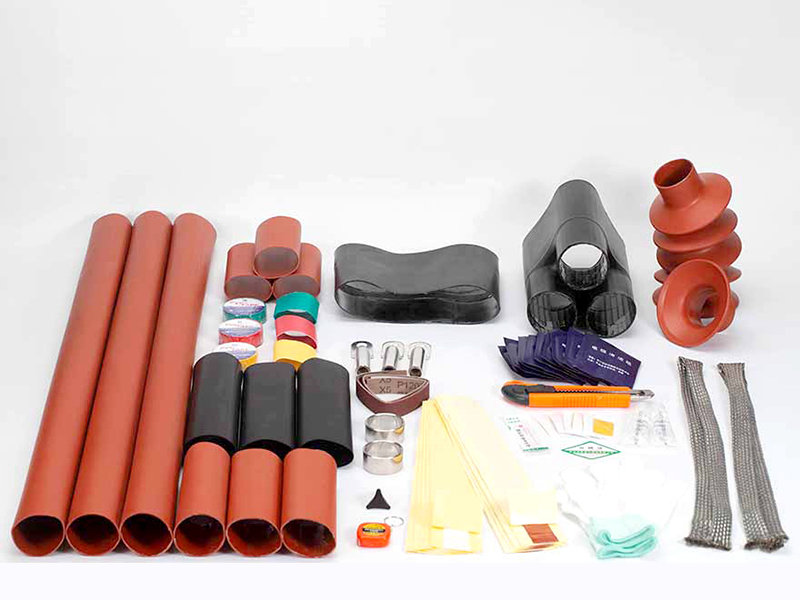
Installing heat shrinkable cable accessories involves careful preparation, precise application of heat, and thorough testing to ensure a secure, reliable connection. The process is straightforward but requires attention to detail for optimal results.
Before installation, prepare the cable by cleaning the surface to remove dirt, oil, or moisture. This step ensures good adhesion and a proper seal. Next, strip the cable insulation as needed, exposing the conductor or joint area according to the accessory's specifications.
Select the correct size of heat shrink accessory, allowing enough clearance to slide it easily over the cable or joint. The accessory should be about 20-30% larger than the cable diameter in its expanded form. Position the accessory carefully over the cable, ensuring it covers the exposed area completely and aligns with any markings or required sections.
Proper positioning is crucial. Misalignment can lead to incomplete sealing or poor insulation, reducing the accessory's effectiveness.
Use a suitable heat source such as a heat gun, propane torch, or heat shrink oven, depending on the accessory type and manufacturer recommendations. Begin heating evenly, moving the heat source back and forth to avoid overheating any one area.
As the accessory warms, it will begin to shrink tightly around the cable. If the accessory has an inner adhesive lining, this will melt, bonding the accessory firmly to the cable surface and creating a watertight seal.
Continue heating until the accessory has fully shrunk and conforms snugly to the cable's shape. Avoid overheating, which can damage the cable insulation or the accessory material. Allow the accessory to cool naturally for the best seal and mechanical strength.
After installation, verify the integrity of the connection. Perform visual inspection to check for uniform shrinkage, absence of gaps, and proper adhesion. Look for any signs of overheating or damage.
Electrical tests, such as insulation resistance or high-potential (hipot) testing, may be required, especially in critical or high-voltage applications. These tests confirm that the accessory provides adequate insulation and that the joint or termination is safe for operation.
Mechanical checks ensure the accessory is firmly in place and can withstand expected stresses. This might include gentle pulling or bending tests.
Selecting the right heat shrinkable cable accessories is crucial for ensuring a safe, durable, and effective electrical installation. Several factors come into play, including size, material, and the environment where the accessory will be used. Making the right choice helps avoid installation issues and extends cable life.
Size: The accessory must fit the cable snugly. Choose a heat shrink with a shrink ratio appropriate for your cable diameter. For example, a 3:1 shrink ratio means the accessory will shrink to one-third its original size, so select a size that slides easily over the cable before shrinking but fits tightly afterward.
Material: Different materials offer varied properties. Polyolefin is common for its good heat resistance and electrical insulation. PVC suits lower temperature applications but resists moisture well. Fluoropolymers like PTFE handle harsh chemicals and UV exposure. Select material based on temperature range, chemical exposure, and mechanical stress expected.
Environment: Consider where the cable will be installed. Outdoor, underground, or industrial settings may require adhesive-lined accessories for moisture sealing and extra durability. High-voltage cables might need specialized accessories with stress control features. Harsh environments demand flame-retardant and UV-resistant materials.
Wrong Size: Choosing an accessory too small can cause overstress on the cable insulation, while too large leaves gaps that allow moisture ingress.
Ignoring Environmental Conditions: Using non-adhesive tubing outdoors can lead to water penetration and cable failure.
Overheating During Installation: Excessive heat can damage both the accessory and the cable insulation, reducing effectiveness.
Neglecting Manufacturer Specifications: Each product has recommended temperature ranges and installation procedures that should be followed closely.
Measure cable diameter carefully and select accessories 20-30% larger before shrinking.
Opt for adhesive-lined heat shrink tubing for outdoor, underground, or harsh environments to ensure a waterproof seal.
Choose materials rated for the operating temperature and chemical exposure expected.
Consult manufacturer datasheets and certifications to ensure compliance with safety and performance standards.
When in doubt, seek expert advice or request samples to test fit and performance before final installation.
Heat shrinkable cable accessories protect and insulate electrical cables, enhancing performance and safety. They are made from polymers that shrink when heated, providing a tight seal. These accessories come in various forms, such as tubing and joints, each designed for specific needs. Their benefits include improved insulation, mechanical strength, and environmental sealing. Anlian Electric offers high-quality heat shrinkable cable accessories that ensure reliable and durable electrical connections, proving invaluable in many industrial and commercial applications.
A: Heat shrinkable cable accessories are polymer-based components that shrink when heated to protect and insulate electrical cables, enhancing their performance and safety.
A: They work by contracting tightly around cables when heat is applied, providing insulation, mechanical strength, and environmental sealing to prevent electrical faults.
A: They are important because they offer enhanced insulation, protect against physical damage, and seal out moisture and contaminants, ensuring cable reliability and longevity.
A: The cost varies based on type, material, and size, but they are generally affordable and cost-effective for cable protection.
A: Benefits include improved insulation, mechanical strength, environmental sealing, and extended cable life, reducing maintenance costs and downtime.
A: Troubleshooting involves checking for proper fit, uniform shrinkage, absence of gaps, and performing electrical tests to ensure effective insulation.


