
Views: 0 Author: Site Editor Publish Time: 2025-10-21 Origin: Site


Are your cables protected effectively? Heat shrinkable cable accessories offer superior insulation compared to traditional methods. Traditional insulation methods like PVC and rubber tubing have served many industries, but they often fall short in harsh environments. In this article, we compare heat shrinkable cable accessories with traditional insulation, exploring their benefits and applications. You'll learn about their materials, installation processes, and industry adoption trends. Dive in to discover why heat shrinkable accessories are the future of electrical insulation.
Heat shrink tubes are flexible, tubular materials designed to shrink tightly around cables, wires, or connectors when exposed to heat. They provide insulation, protection, and strain relief in electrical and electronic applications. These tubes start with a larger diameter and, when heated, contract to form a secure, seamless covering that conforms perfectly to the shape beneath.
Common materials include:
Polyolefin: The most widely used material, offering excellent flexibility, chemical resistance, and durability. It shrinks quickly and provides a tight seal.
Fluoropolymer (e.g., PTFE, FEP): Known for high temperature and chemical resistance. Ideal for harsh environments.
Silicone Rubber: Offers high flexibility and abrasion resistance, suitable for applications requiring frequent bending.
PVC: Less common today but still used for cost-effective insulation in low-stress environments.
Some heat shrink tubes come with an adhesive lining (dual-wall tubes). When heated, the adhesive melts and bonds to the cable surface, creating a moisture-proof seal.
The shrinking process relies on the thermoplastic memory of the tube material. Manufacturers expand the tube at high temperature and cool it while stretched. During installation, applying heat causes the tube to return to its original size, tightly wrapping around cables or connectors.
The heat source is typically a heat gun, but torches or ovens may be used depending on the application. The tube’s shrink ratio (commonly 2:1 or 3:1) determines how much it can reduce in diameter, allowing it to fit over irregular shapes or larger connectors before shrinking.
This tight fit provides:
Mechanical protection: Shields cables from abrasion and impact.
Environmental sealing: Prevents moisture, dust, and chemicals from reaching the connection.
Strain relief: Reduces stress on cable joints, enhancing longevity.
Electrical insulation: Prevents short circuits and electrical faults.
Heat shrink tubes are versatile and used in industries like automotive, telecom, aerospace, and renewable energy, where reliable cable protection is critical.
Note: When selecting heat shrink tubes, consider the material’s temperature rating and shrink ratio to match your cable size and operating environment for optimal performance.
Traditional cable insulation methods rely on several common materials:
PVC (Polyvinyl Chloride): Widely used for its low cost and decent insulation properties. It offers moderate flexibility and flame resistance but can become brittle over time, especially under UV exposure or extreme temperatures.
Electrical Tapes: Typically made from PVC or vinyl, tapes provide a quick, flexible way to insulate and bundle wires. They are easy to apply but may lose adhesion or peel off with age, moisture, or temperature cycling.
Rubber Tubing: Offers good flexibility and mechanical protection. Rubber is often used where cables require more movement or abrasion resistance. However, it can degrade under prolonged heat or exposure to oils and chemicals.
Traditional insulation methods have served many industries for decades, including:
Residential and commercial electrical wiring
Automotive wiring harnesses
Basic industrial machinery wiring
Temporary or low-stress cable repairs
Bundling and color-coding cables using tapes
These methods work well for straightforward, low-cost projects where environmental stresses are minimal.
Despite their widespread use, traditional insulation materials face several challenges:
Moisture Penetration: Tapes and PVC sleeves often fail to provide airtight seals, allowing water ingress that can cause corrosion or short circuits.
Mechanical Wear: Tapes can peel, and PVC can crack under vibration, abrasion, or bending, leading to exposure of conductors.
Temperature Sensitivity: PVC and rubber degrade faster at high temperatures, losing flexibility and insulation integrity.
UV and Chemical Exposure: Prolonged sunlight or contact with oils and solvents can weaken traditional insulation, causing premature failure.
Installation Issues: Taping requires skill to ensure uniform coverage and adhesion. Improper wrapping leads to inconsistent insulation quality.
These limitations make traditional insulation less reliable in demanding applications like automotive under-hood wiring, outdoor telecom cables, or renewable energy installations.
When using traditional insulation, always assess environmental stresses and consider upgrading to heat shrink tubing for improved moisture sealing and mechanical protection in harsh conditions.
Heat shrinkable cable accessories bring several key benefits that make them stand out from traditional insulation methods. Their design and material properties offer superior protection, reliability, and ease of use.
One of the biggest advantages is how precisely heat shrink tubing seals around cables and connectors. When heated, the tubing shrinks tightly, and if it has an adhesive lining, it bonds firmly to the cable surface. This creates a moisture-proof, airtight seal that prevents water, dust, and chemicals from entering.
Traditional insulation like tapes or PVC sleeves often fail to provide such a reliable seal. They can peel or crack over time, allowing moisture ingress that causes corrosion or short circuits. Studies show heat shrink tubing can improve seal integrity by over 50% in humid or harsh environments, making it ideal for outdoor or industrial applications.
Heat shrink tubing offers robust mechanical protection. It shields cables from abrasion, impact, and vibration — common causes of damage in automotive, industrial, or telecom settings. The tight fit also provides strain relief at joints and terminations, reducing stress on wire connections.
This strain relief is crucial in applications involving frequent movement or bending, such as robotic arms or vehicle wiring harnesses. Traditional insulation materials tend to crack or loosen under these stresses, whereas heat shrink tubing maintains its protective properties longer.
Many heat shrink tubes are made from materials like polyolefin or fluoropolymers that withstand high temperatures, often up to 125°C or even beyond 200°C for specialty types. They retain flexibility and insulation integrity even in extreme heat.
Additionally, heat shrink tubing often meets flame-retardant standards such as UL VW-1. This means it resists ignition and suppresses smoke, enhancing safety in electrical installations. Traditional PVC tapes and rubber tubing degrade faster under heat, becoming brittle or flammable.
Installing heat shrink tubing is straightforward and fast. Simply slide the tube over the cable or connector, then apply heat using a heat gun. The tubing shrinks in seconds, forming a seamless, durable covering.
This process is far quicker than wrapping tapes or fitting rubber sleeves, which require careful overlapping or securing. For large-scale wiring harnesses or complex assemblies, heat shrink tubing can reduce installation time by up to 38%, improving productivity and lowering labor costs.
Choose heat shrink tubing with the right shrink ratio and adhesive lining to ensure a perfect seal and optimal protection for your specific cable size and environment.
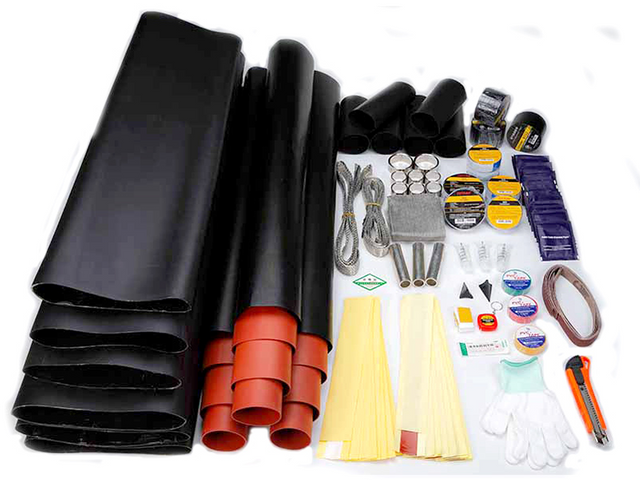
Heat shrink tubing offers a quick and straightforward installation. You simply slide the tube over the cable or connector, then apply heat using a heat gun. The tubing shrinks tightly in seconds, forming a seamless, durable cover. This process reduces labor time significantly, especially in large-scale wiring harnesses or complex assemblies. Studies show installation time can drop by up to 38% compared to traditional methods.
Traditional insulation, such as PVC sleeves or electrical tape, requires more care and time. Wrapping tape evenly and overlapping it properly to avoid gaps takes skill. PVC sleeves must be cut to length and fitted carefully, sometimes needing additional sealing. These steps can take several minutes per joint, increasing labor costs and the chance of human error.
Heat shrink tubing, especially dual-wall types with adhesive lining, forms a strong, moisture-proof seal. The adhesive melts during heating, bonding tightly to the cable surface. This creates an airtight barrier that keeps out water, dust, and chemicals, reducing corrosion and electrical faults. The seal remains stable over time, even under vibration or thermal cycling.
Traditional insulation often lacks this level of sealing. Electrical tapes can lose adhesion, peel, or crack, especially in humid or harsh environments. PVC sleeves may not fit snugly, allowing moisture ingress. These weaknesses can lead to premature cable failure or safety hazards.
Heat shrink tubing is made from materials like polyolefin or fluoropolymers that withstand high temperatures, often up to 125°C or more. Some specialty tubes tolerate temperatures beyond 200°C. They also meet flame-retardant standards (e.g., UL VW-1), resisting ignition and suppressing smoke. This makes them suitable for demanding industrial or automotive environments.
Traditional materials such as PVC or rubber have lower thermal limits, typically around 70–90°C. They become brittle or degrade under prolonged heat, losing insulation integrity. Their flame resistance is also limited, increasing fire risk in critical applications.
Heat shrink tubing adoption is growing rapidly across sectors. The automotive industry uses it extensively for wiring harnesses, battery packs, and connectors due to its reliability and speed. Telecom companies prefer heat shrink for outdoor cable joints and fiber optic enclosures because of its moisture resistance. Renewable energy projects rely on heat shrink tubing for high-voltage cable protection in solar farms and wind turbines.
Traditional insulation still finds use in low-cost, low-stress settings, such as residential wiring or temporary repairs. However, its limitations make it less favored for modern, high-performance applications.
For faster, more reliable cable protection, choose heat shrink tubing with the right adhesive lining and shrink ratio to ensure a strong seal and reduced installation time.
The demand for heat shrinkable cable accessories is soaring across global markets. This growth is driven by industries requiring reliable, durable insulation solutions that stand up to harsh conditions. According to a 2025 market report, the global heat shrink tubing market is expected to surpass USD 2.45 billion, fueled by expanding sectors such as electric vehicles (EVs), smart grids, and telecom infrastructure.
Heat shrink accessories offer superior sealing, mechanical protection, and flame resistance, making them indispensable in modern electrical systems. Their ability to provide moisture-proof seals and withstand temperature extremes has positioned them as the preferred choice over traditional insulation methods.
Several key industries are leading the adoption of heat shrinkable accessories:
Electric Vehicles (EVs): EV manufacturers increasingly rely on heat shrink tubing for battery packs, wiring harnesses, and high-voltage connections. The tubing’s thermal stability and strain relief properties are critical for safety and performance in EVs. In India, demand for EV-ready heat shrink tubing has grown by 27% year-over-year (2024–2025).
Telecommunications and 5G Infrastructure: Telecom networks require cable joints and fiber optic closures that resist moisture, UV exposure, and temperature fluctuations. Heat shrink accessories provide reliable protection in outdoor and compact enclosures, supporting the rapid rollout of 5G and broadband services.
Renewable Energy and Power Distribution: Solar farms, wind turbines, and substations depend on heat shrink tubing for high-voltage cable insulation. Its arc-tracking resistance and flame-retardant properties make it ideal for outdoor, high-stress environments where traditional insulation often fails.
Industrial Automation and Control Panels: Heat shrink tubing is widely used in control cabinets and switchgear, where precise insulation and flame resistance enhance safety and equipment longevity.
The outlook for heat shrinkable cable accessories is highly positive. Innovations in materials and design continue to improve performance and ease of installation. For example, new formulations offer higher temperature ratings, enhanced chemical resistance, and faster shrink times.
Market analysts predict sustained growth driven by:
Increasing electrification across industries
Stricter safety and environmental regulations
Demand for lightweight, compact wiring solutions
Expansion of smart grids and IoT-enabled infrastructure
Manufacturers are also focusing on customization, including color coding and tailored shrink ratios, to meet diverse application needs.
Investing in heat shrink technology today supports future-ready electrical systems that deliver reliability, safety, and efficiency.
When selecting heat shrinkable accessories, prioritize products certified for your industry's safety standards and designed for your specific environmental conditions to maximize long-term reliability.
Heat shrinkable cable accessories play a crucial role in electric vehicles (EVs) and automotive sectors. EV battery packs, motor control wiring, and fuse boxes require insulation that can withstand vibration, heat, and dust. Heat shrink tubing offers excellent thermal protection and strain relief, ensuring safety and durability in these high-stress environments.
Automotive wiring harnesses benefit from the tubing’s tight seal and mechanical protection. It prevents moisture ingress and resists abrasion caused by engine movement and road conditions. Demand for EV-grade heat shrink tubing has surged, growing by approximately 27% year-over-year in markets like India, driven by OEMs seeking reliable, low-maintenance insulation.
In telecom, particularly with 5G rollout, cable protection demands have increased. Heat shrink accessories provide moisture-proof seals for outdoor cable joints and fiber optic closures. Their UV resistance and flame retardance make them suitable for tower base stations and underground enclosures.
Heat shrink tubing safeguards signal and power cables from temperature swings, dust, and chemical exposure. This reliability supports uninterrupted data transmission and network stability. As telecom networks expand rapidly, heat shrink tubing adoption grows, ensuring cables remain protected in harsh outdoor environments.
Renewable energy installations like solar farms and wind turbines require robust cable insulation. Heat shrink tubing excels in high-voltage outdoor settings, offering arc-tracking resistance and flame retardancy. These properties prevent electrical faults and fire hazards in power distribution systems.
Substations and power grids use heat shrink accessories for terminating and insulating cables exposed to weather extremes. Traditional insulation often fails here due to cracking or moisture penetration. Heat shrink tubing's durable, weatherproof seal enhances system longevity and reduces maintenance.
Heat shrinkable cable accessories offer superior sealing, mechanical protection, and temperature resistance compared to traditional insulation. They are easier to install and provide a more reliable solution for demanding environments. Choosing the right insulation method depends on the application, but heat shrinkable accessories are increasingly favored for their durability and efficiency. As the future of electrical insulation, they provide enhanced safety and performance. For high-quality heat shrinkable products, Anlian Electric offers exceptional solutions tailored to meet diverse industry needs.
A: Heat shrinkable cable accessories are tubular materials that shrink tightly around cables when heated, providing insulation, protection, and strain relief.
A: Heat shrinkable cable accessories offer faster installation by simply sliding over cables and applying heat, whereas traditional insulation requires careful wrapping or cutting.
A: They provide superior moisture-proof sealing and mechanical protection, reducing risks of corrosion and damage compared to traditional insulation.
A: Consider the material's temperature rating, shrink ratio, and adhesive lining to match your cable size and operating environment for optimal performance.
A: While initial costs may be higher, their durability and reduced installation time can lead to long-term savings in maintenance and labor.


